Choose the right telehandler size
Height first, then capacity at radius — not the other way round. Use the guide below, then open the size that matches your elevations.
How to choose
- Read the highest placement on your drawings — that sets the height class.
- Note the heaviest pack at that height (and forward reach). Capacity drops as the boom goes out.
- Check access: compact 4–7M machines fit tighter sites; 14M+ need more room to set up.
- Open the matching size page for use-cases and a quote — do not hire a 20M for a first-lift job.
Compact machines for yards and low lifts — when height is not the bottleneck.
The everyday mid-compact — first-lift building work without a full mid-reach machine.
Mid-reach workhorse for housing sites that outgrow compact machines.
Heavier mid-reach — when 7M capacity charts are the constraint, not height.
Mid-rise placement without jumping to a full 10M heavy-lift chart.
JCB mid-reach with a bit more height and capacity than a straight 9M.
Height plus heavy capacity — the step-change from mid-reach machines.
High mid-reach for facades and frames when 10M is short.
JCB 12.5M class for programmes that sit between 12M and 14M.
Upper mid-reach when 12M is short and 14M is not yet justified.
High-reach for commercial elevations that mid-reach machines cannot touch.
Serious high-reach for tall commercial and industrial envelopes.
JCB high-reach sitting between common 17M and 20M fleet nodes.
Top of our standard high-reach range for the tallest elevations we regularly hire.
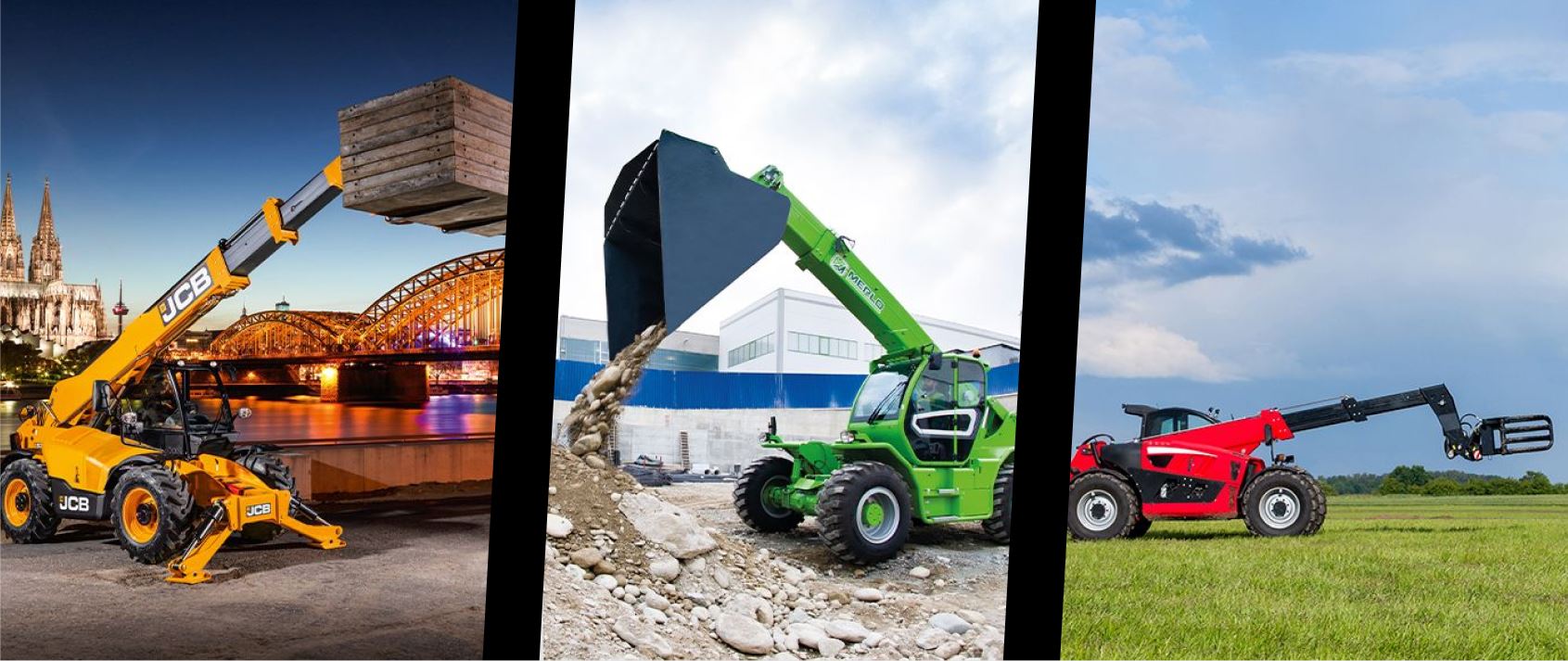
Brands across the range